

What exactly are tides, and how do high and low tides occur?
Tides are caused by the gravitational pull of the Earth and the Moon, in combination with the Earth’s rotation. As a result, sea level changes regularly—every six hours, or four times a day.
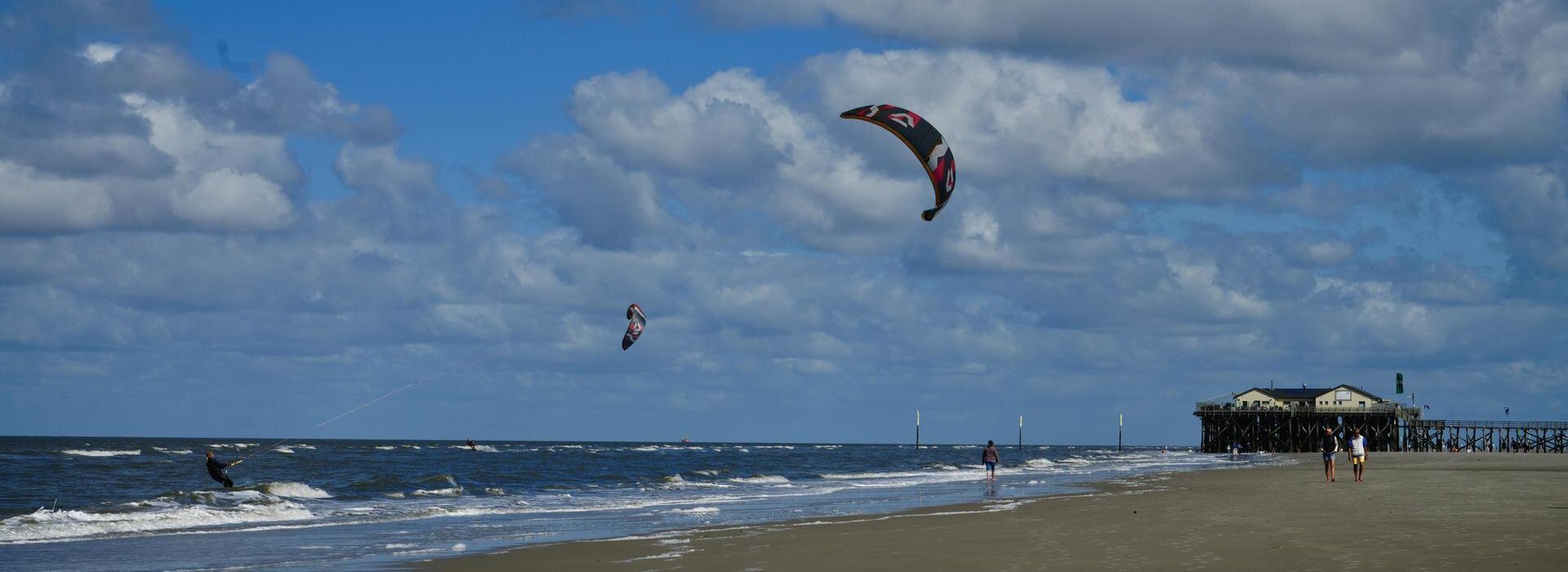
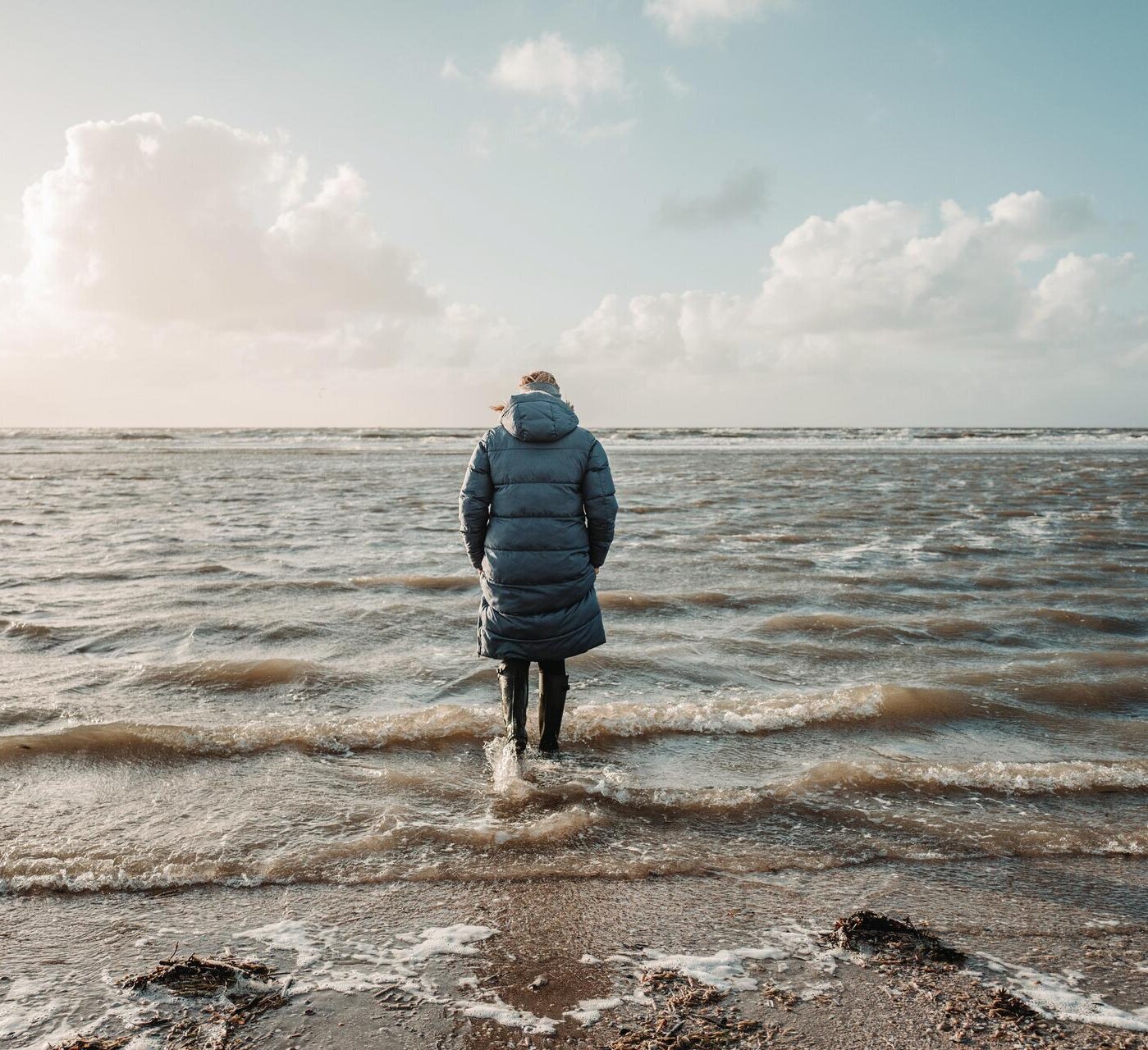
When the sea level rises over a period of six hours on the side facing the Moon, this is referred to as high tide. The moment the North Sea reaches its highest level, we call it high tide. At this point, it’s just a few steps from your beach chair to the waves of the North Sea.
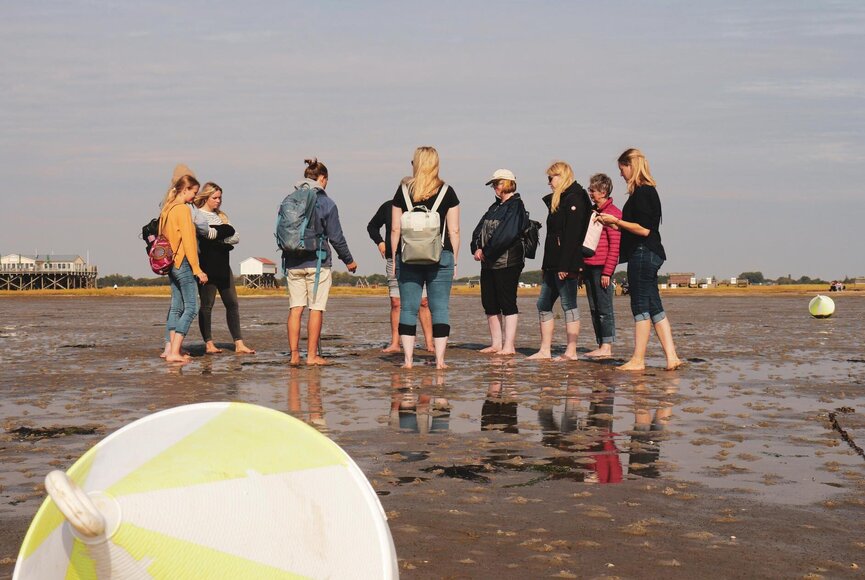
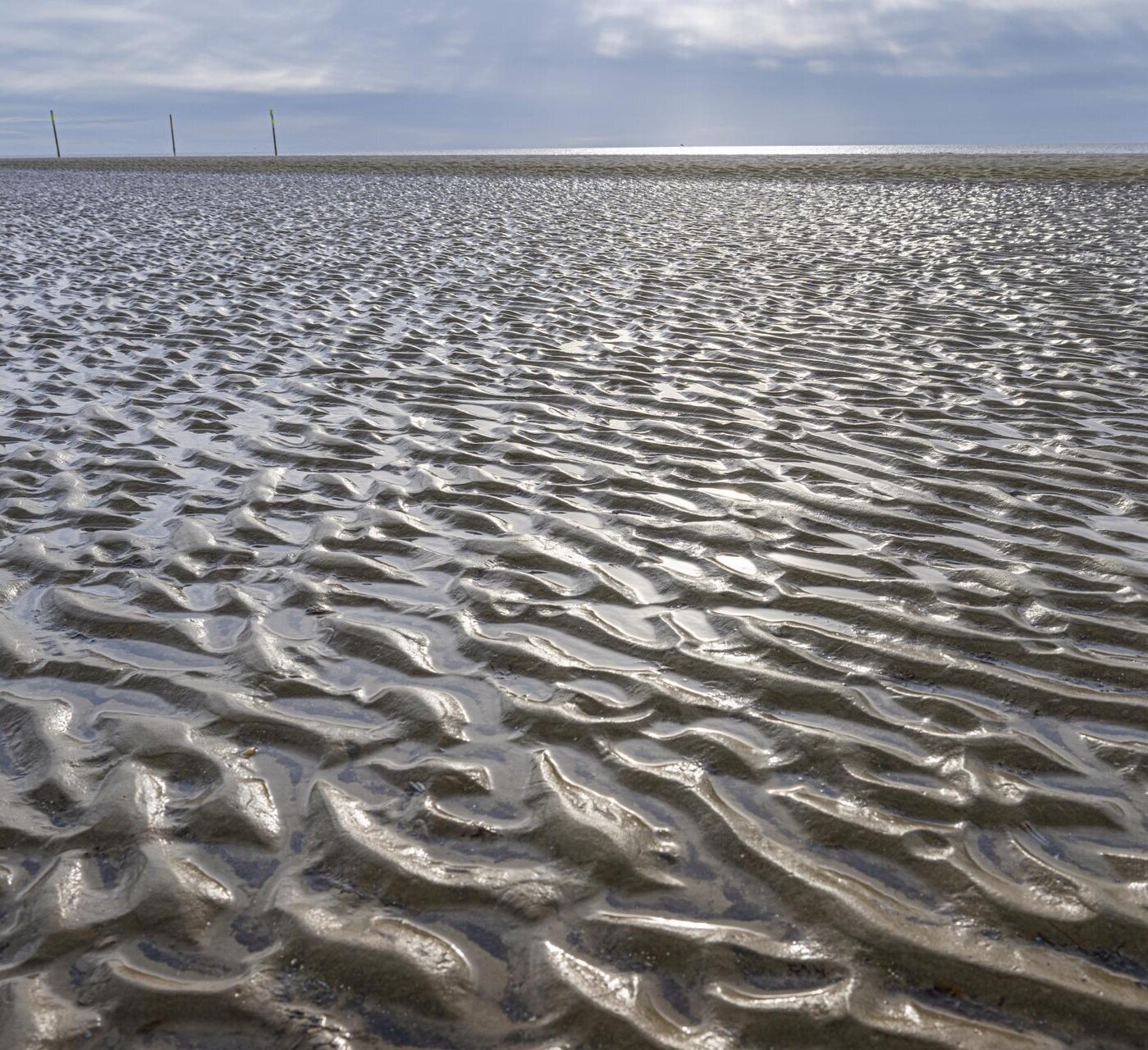
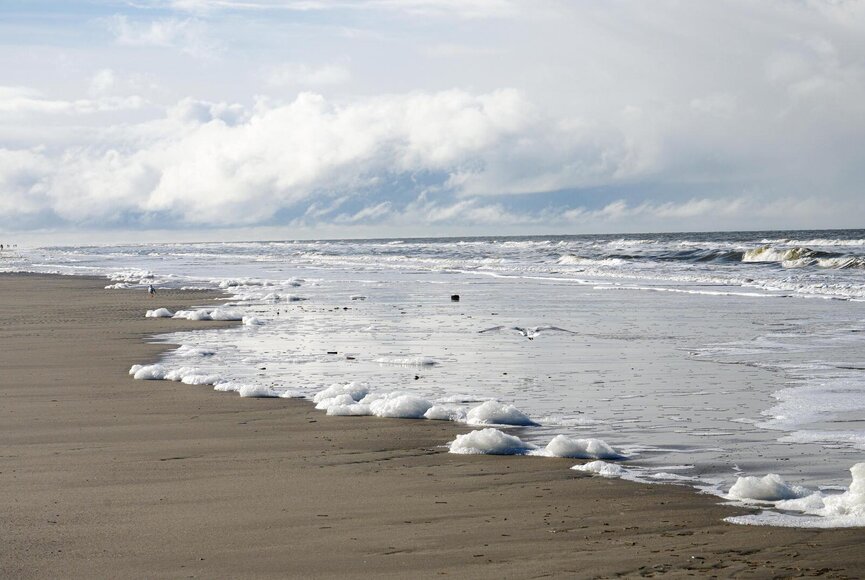
The opposite of this, low tide, is the state in which the sea is at its lowest level. We refer to the period of falling sea level—which also lasts six hours—as ebb tide. During this time, you can explore the exposed seabed at your leisure or go on a mudflat hike in the Wadden Sea National Park. As a Wadden Sea beginner, you should definitely go on a mudflat hike with an experienced mudflat guide.