Jump to content
0
Illustration von Bäumen – Kiefern

Where Landscapes Meet

Eiderstedt Is So Diverse

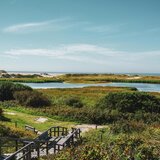
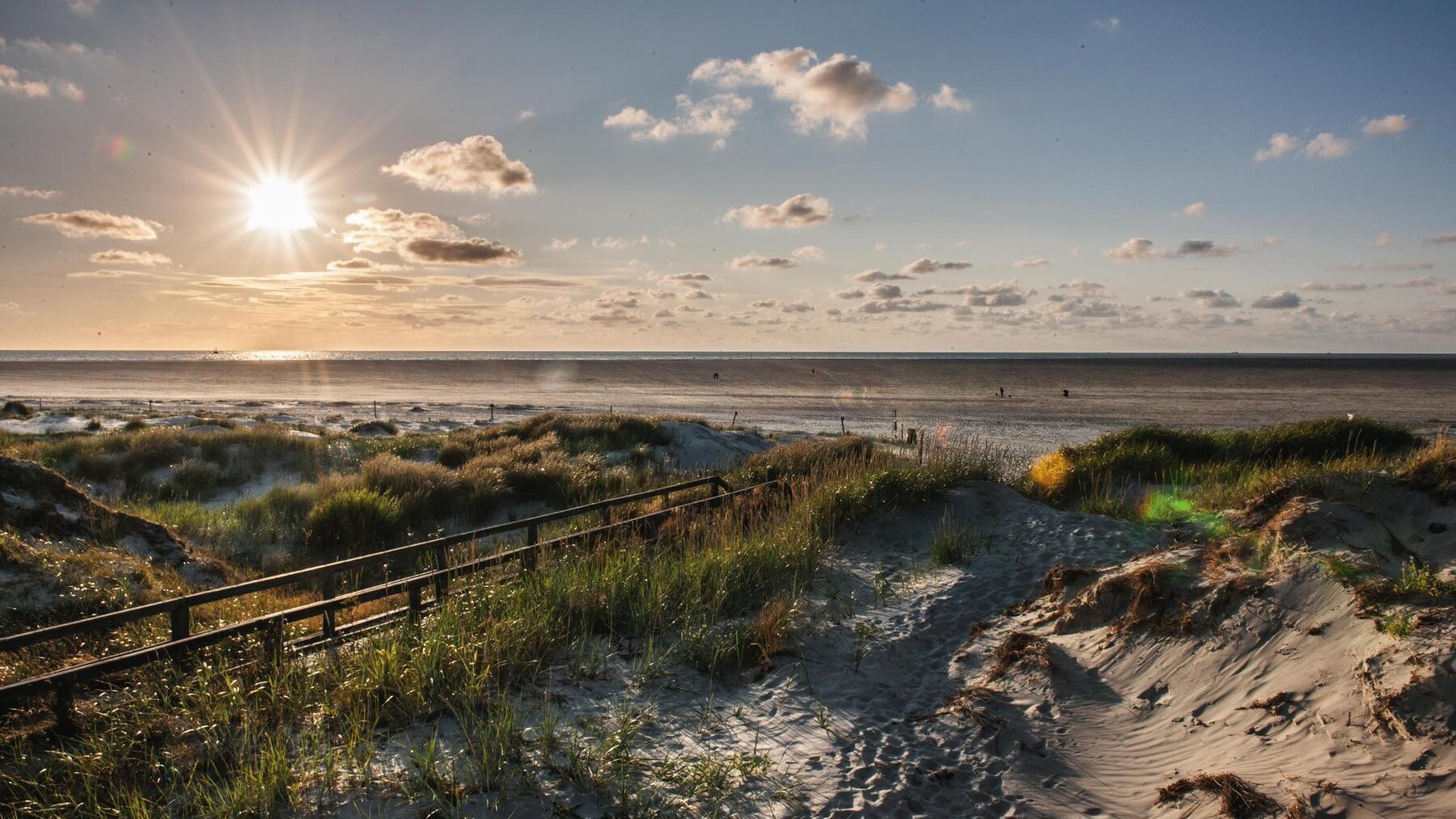
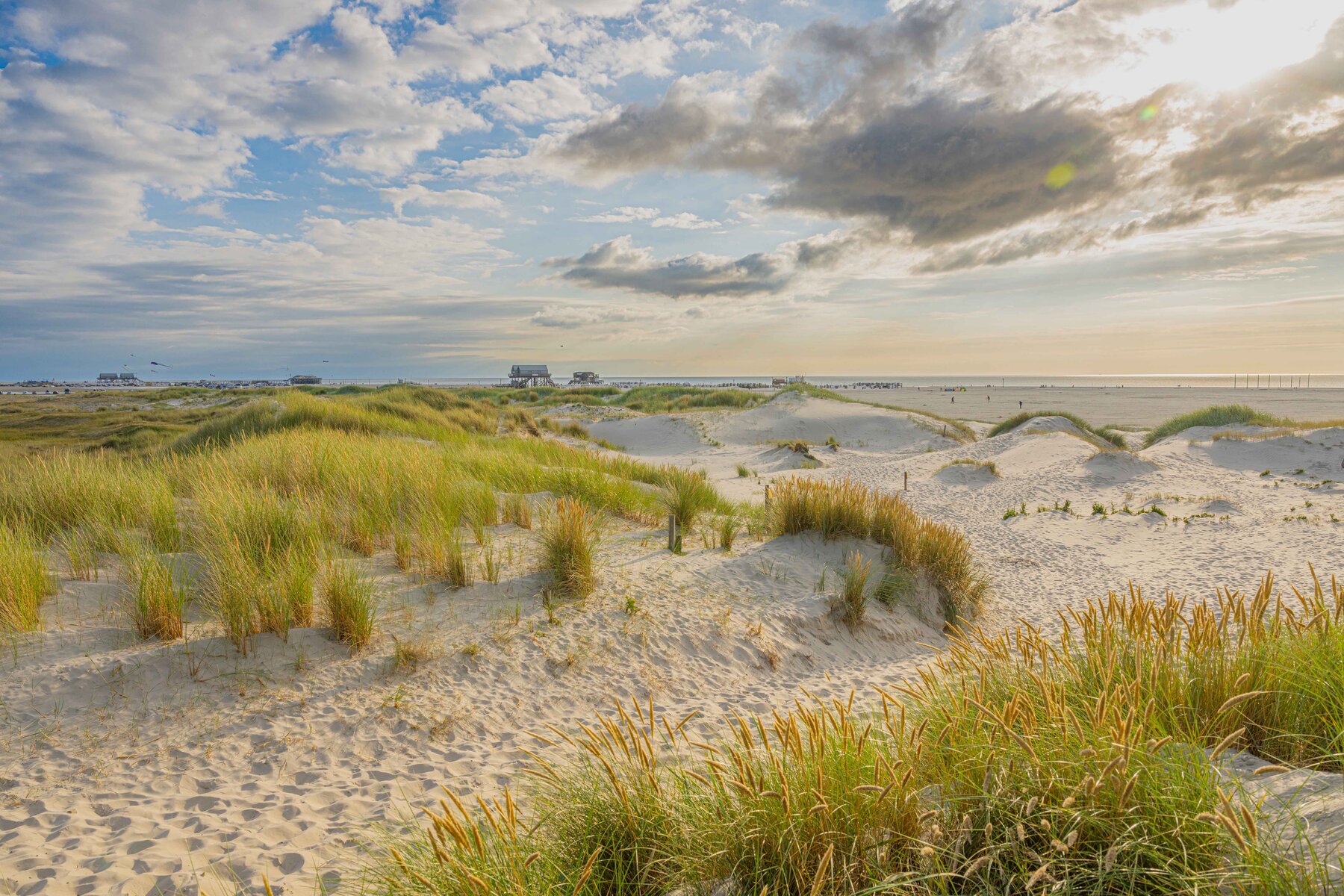
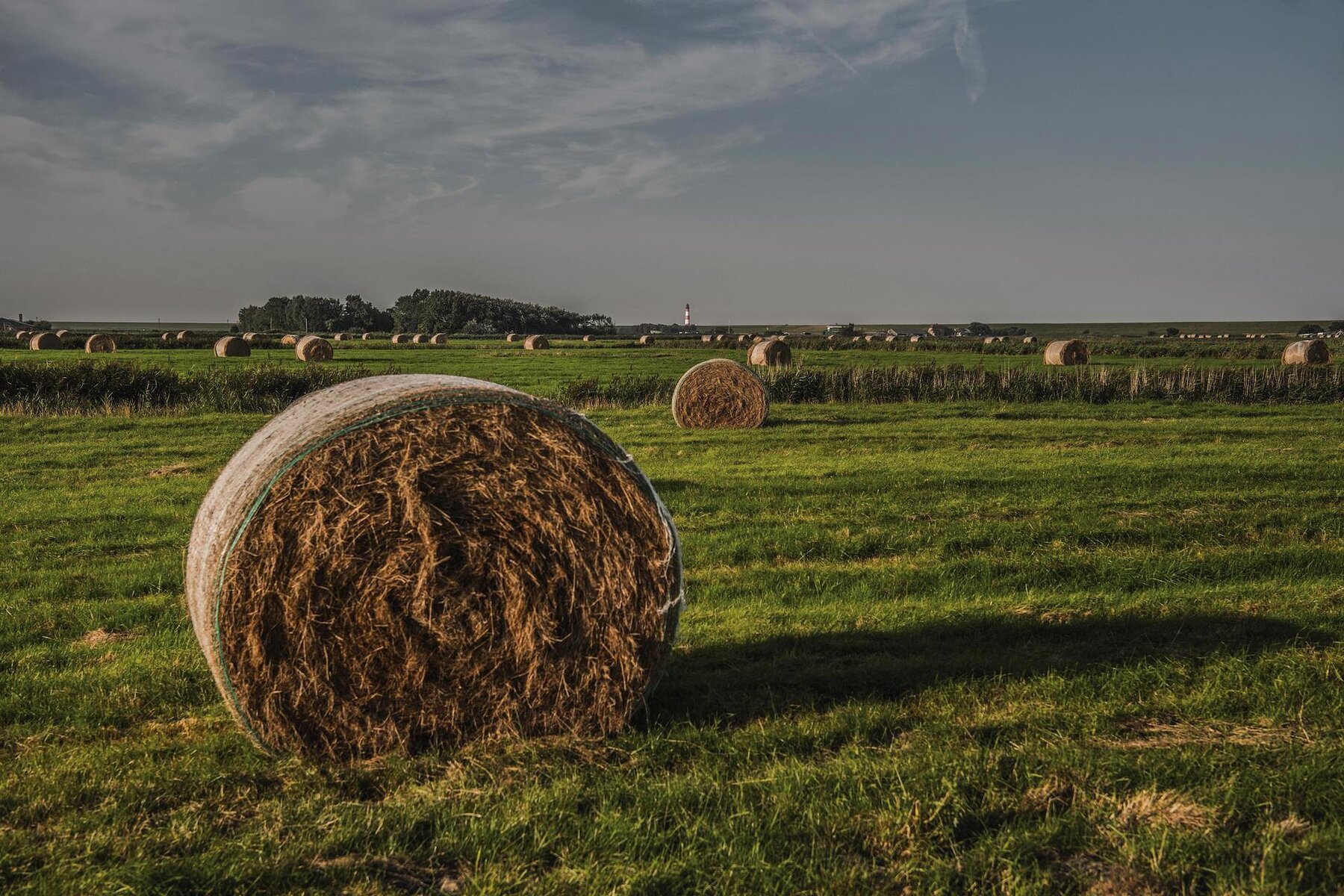
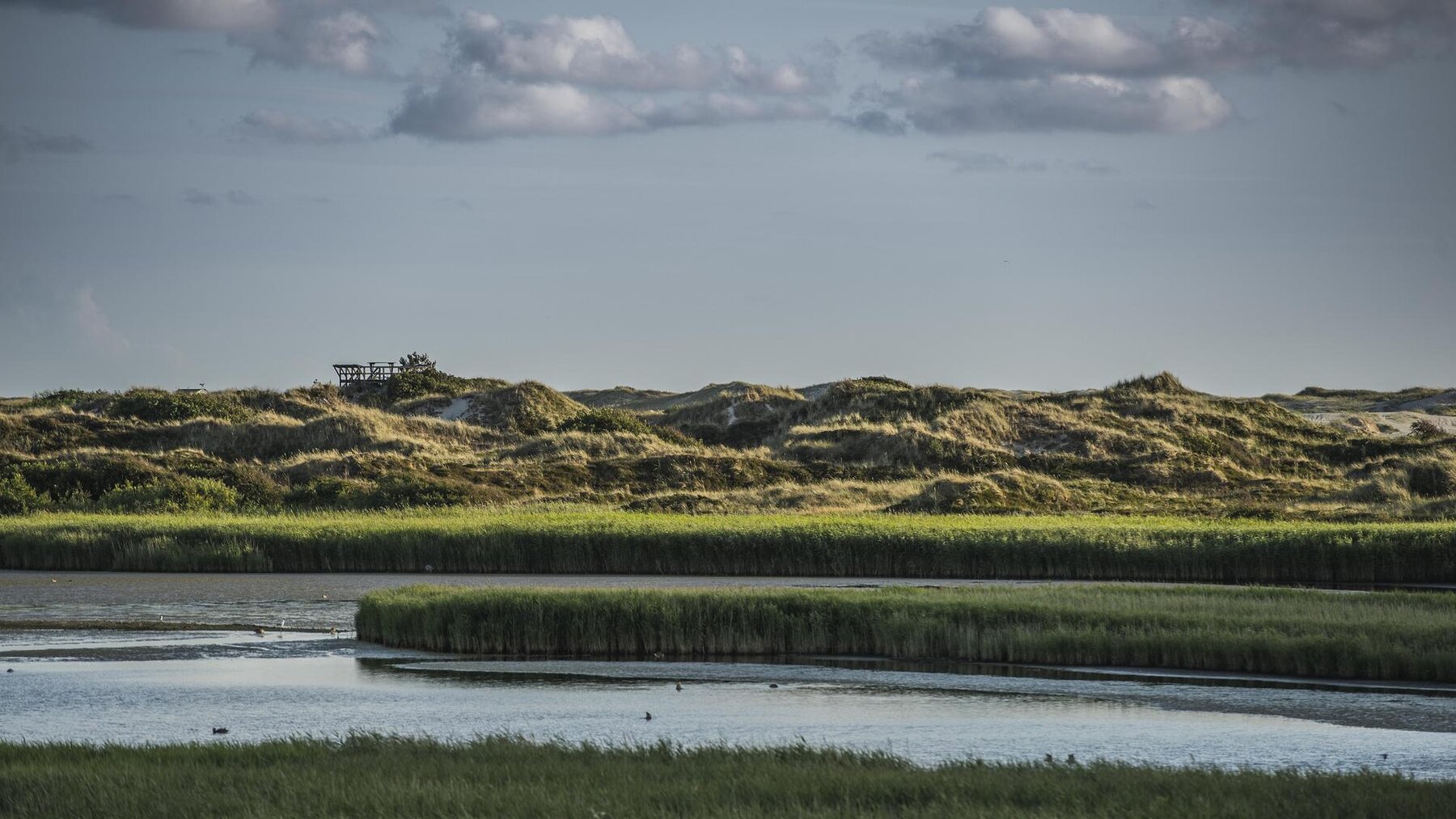
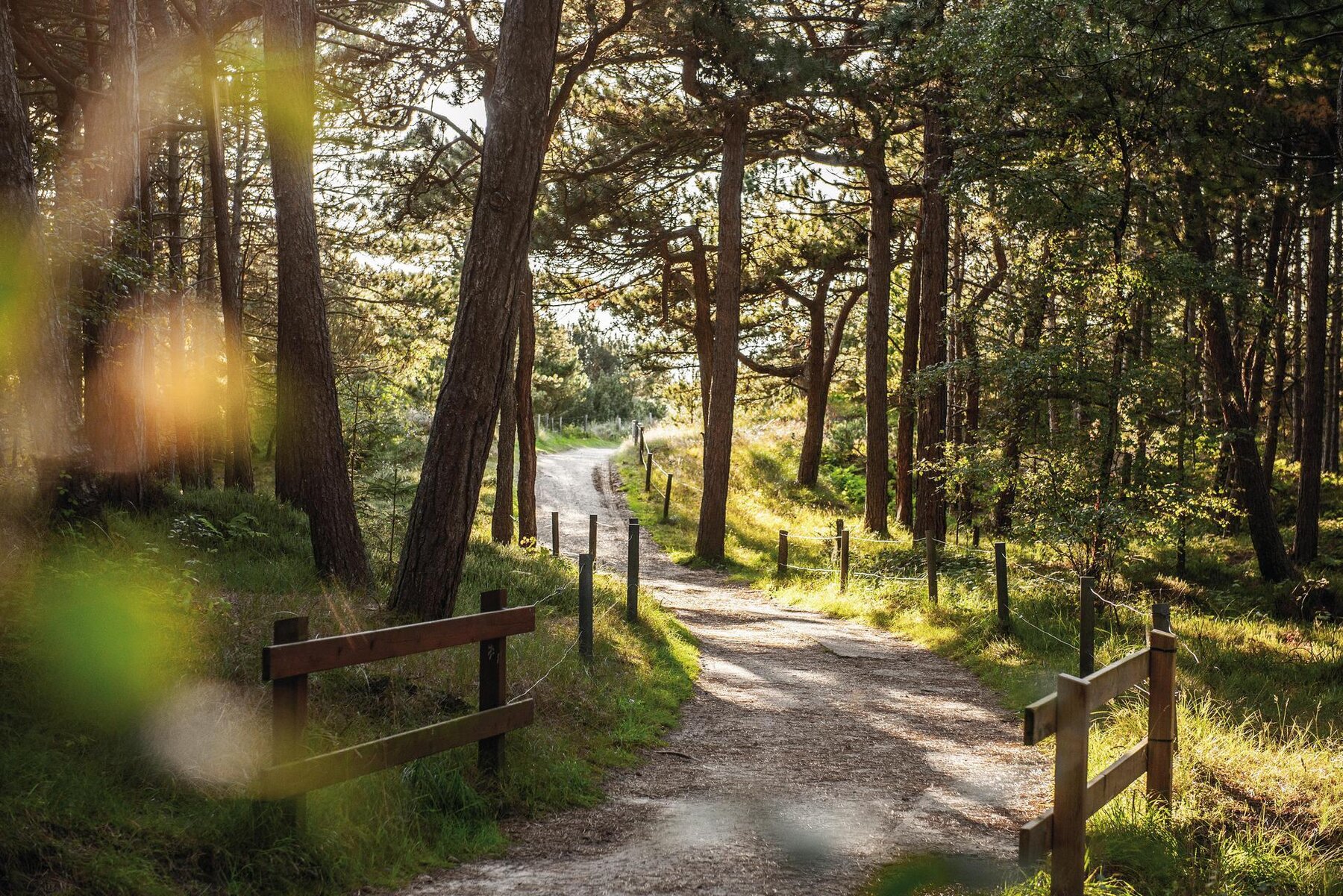
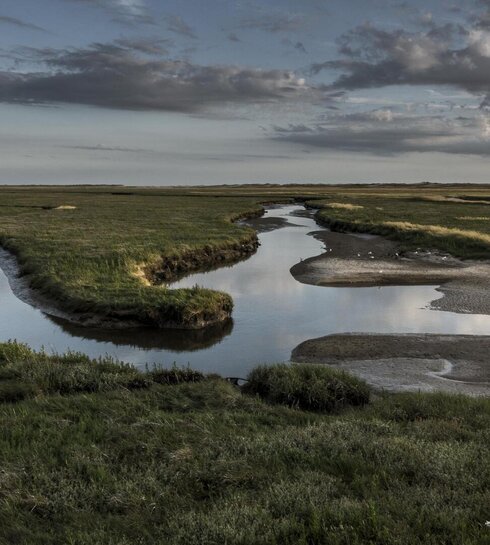
Dunes, salt marshes, forests, and fields in Eiderstedt—a wide variety of landscapes lie in close proximity to one another. Each has its own character and allows visitors to experience the region in its own unique way.

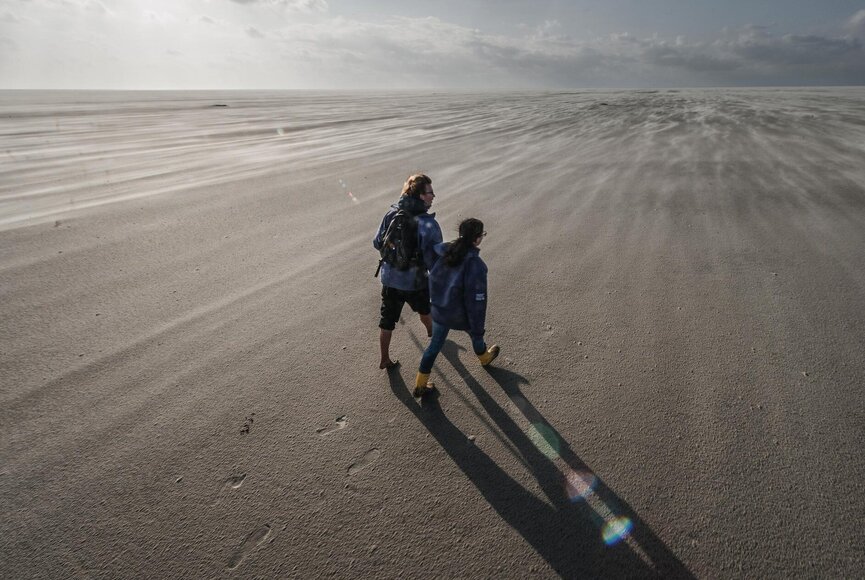
Dune Landscape
Rechte nur TZ
Dune Lake
Icon für ein Fernglas

Where Eiderstedt Stretches Out the Farthest

A broad perspective guaranteed

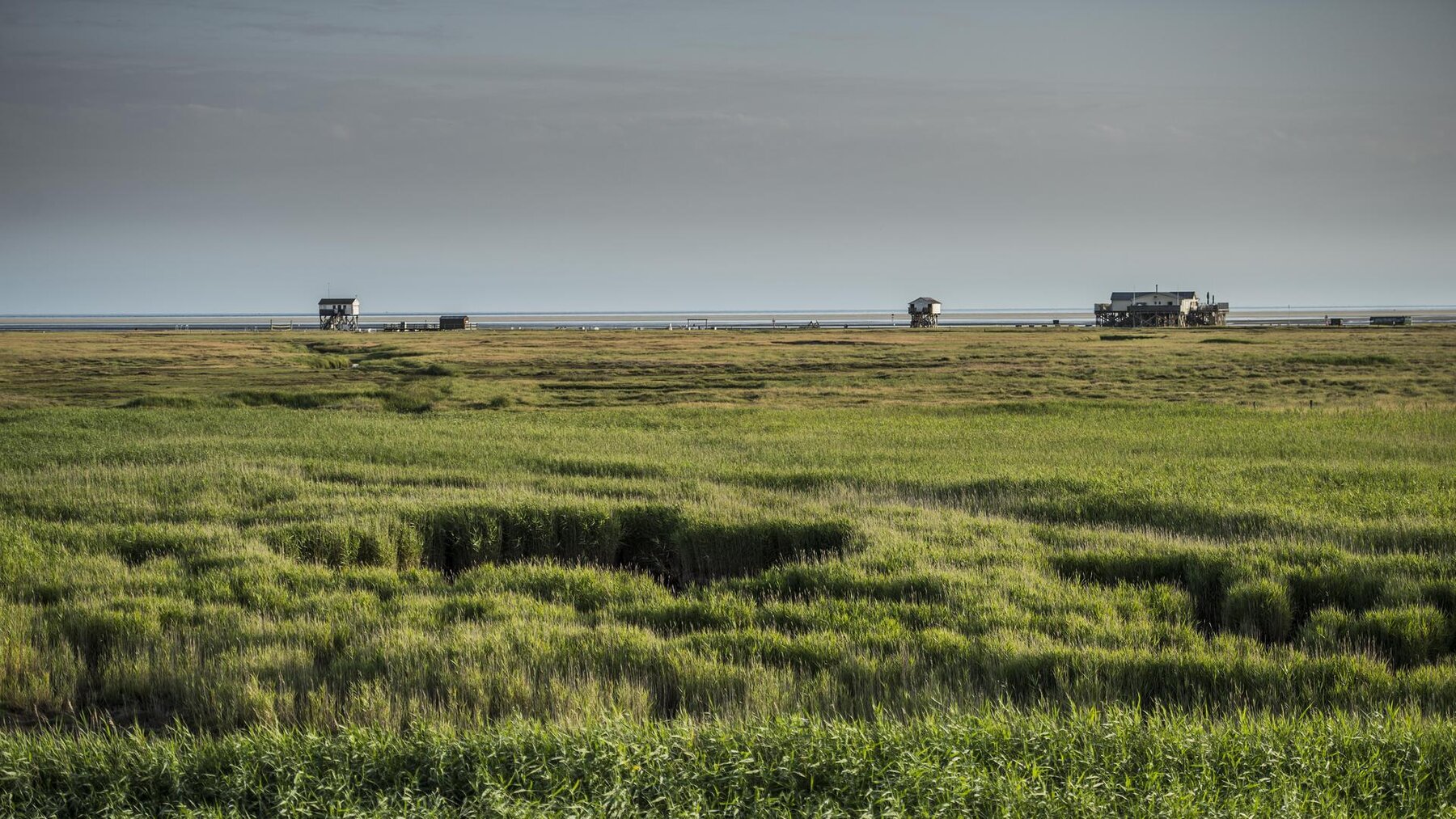
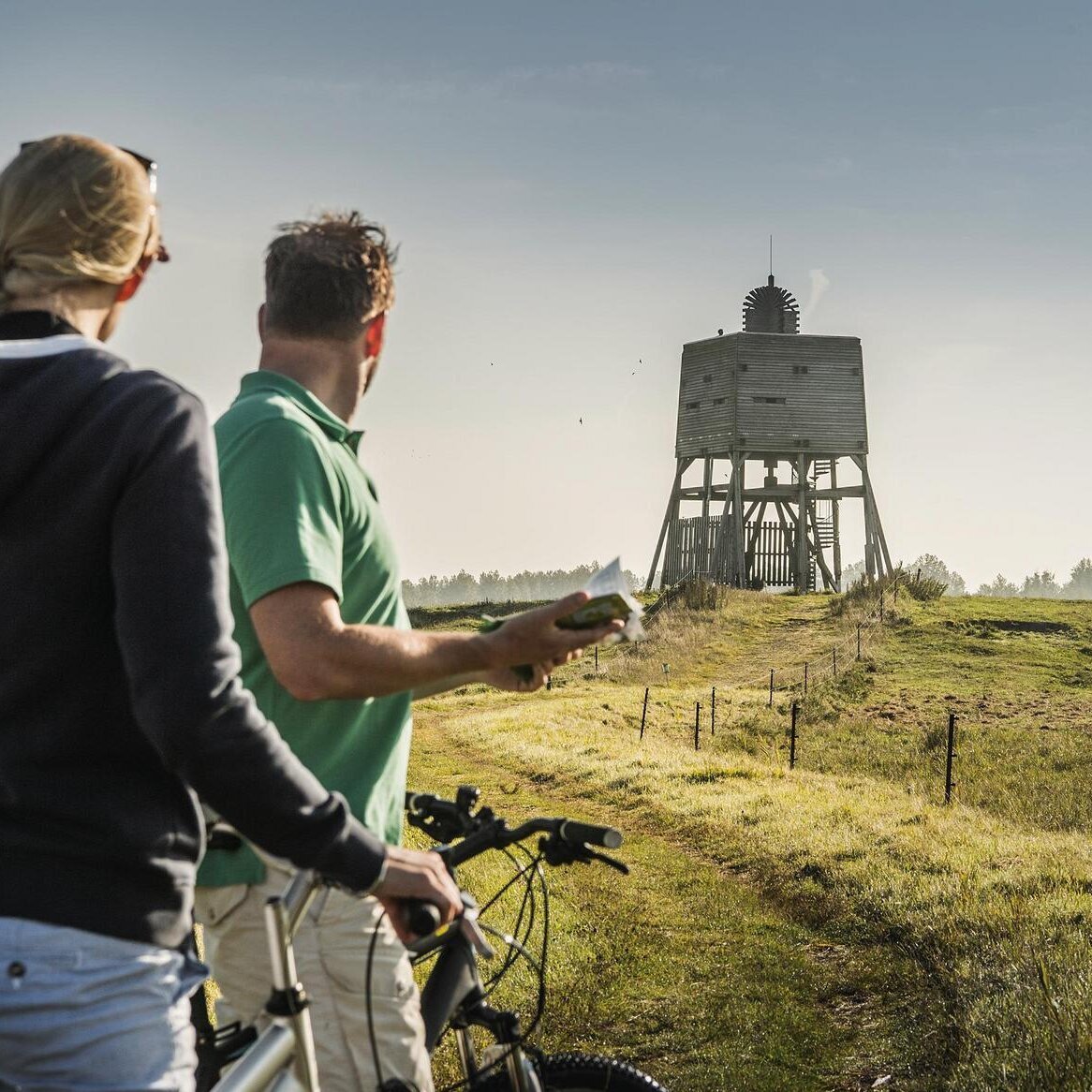
When the sea, mudflats, dunes, and fields blend into one another, it quickly becomes clear what makes Eiderstedt so special: its vastness. In many places, you can explore the landscape from a wide variety of perspectives.

Illustration des Aussichtspunkts Maleens Knoll

Eiderstedt from above

Wide-open views, unique perspectives, and plenty of the North Sea: Discover vantage points for birdwatching, views of the dunes, the beach, and stilt houses, or a place with its own legend.

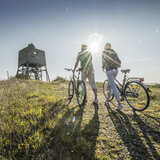
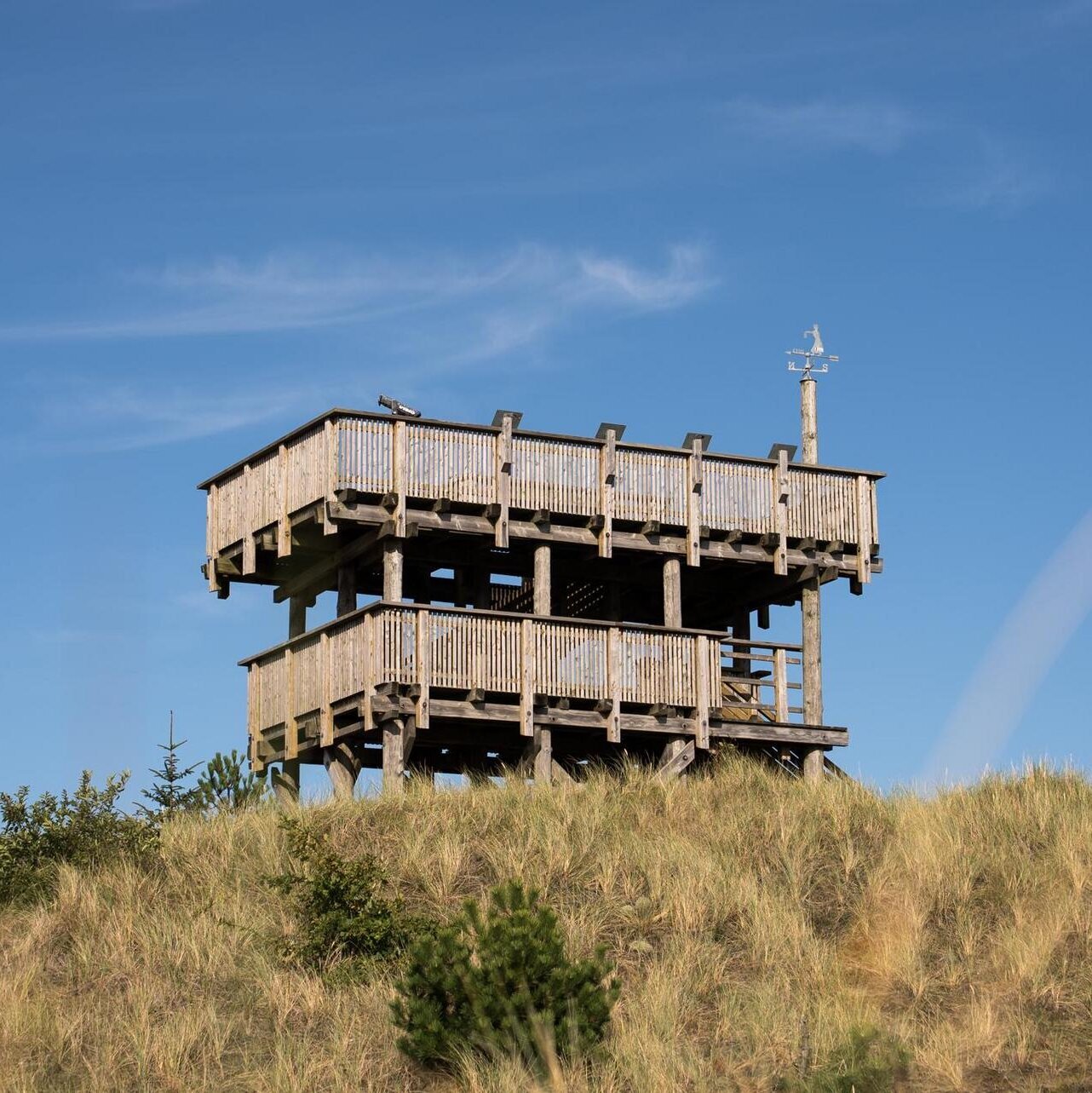
Aussichtsturm Maleens Knoll

A Special Observation Tower

Marleen Knoll

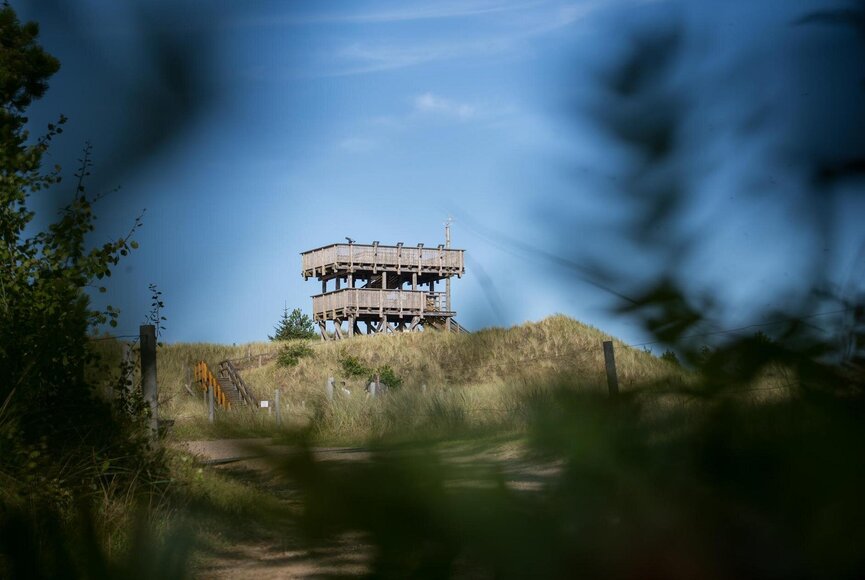
A special lookout point with a mysterious legend: 

Legend has it that Maleen once waited on the highest dune for her husband, who was out at sea fishing. Today, Maleens Knoll offers a sweeping view of the dune landscape and serves as a reminder of the story behind its name.

To Maleen’s Knoll

Illustration des Eidersperrwerks

Where Water Shapes Eiderstedt

From the Watt to the Eider

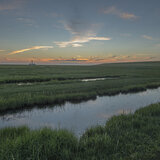
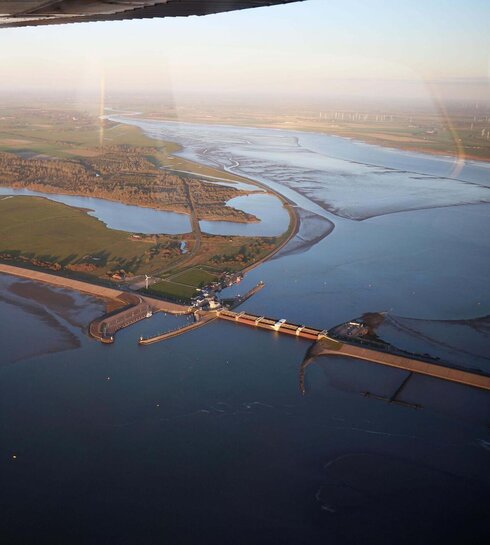
Water is as much a part of Eiderstedt as the wind and the open landscape. The North Sea, the Wadden Sea, the tidal creeks, canals, and the Eider River tell the story of a landscape that is constantly in motion. The tides reshape the mudflats, waterways crisscross the Kööge, and the Eider River connects land and sea. Over the centuries, water has shaped Eiderstedt—and the people have learned to live with it and to reshape the landscape time and again.

A Gateway to the North Sea

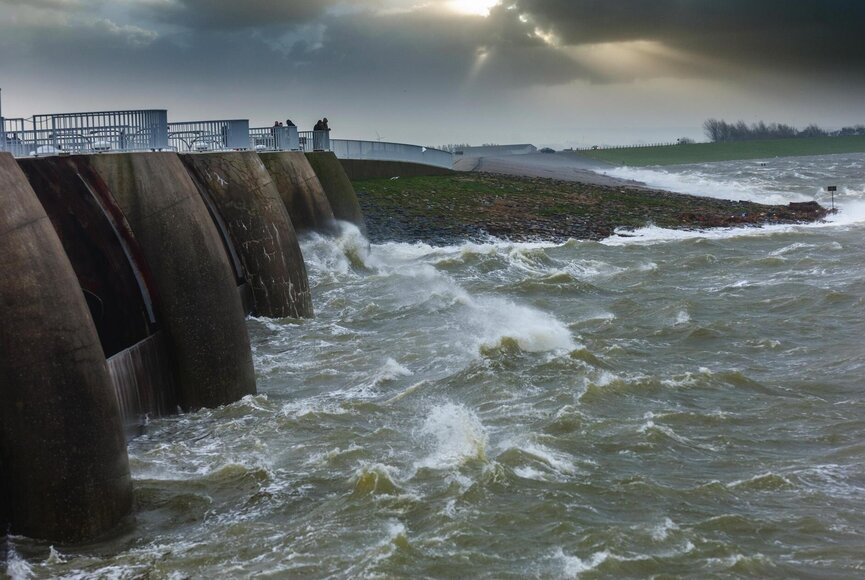
"Eidersperrwerk" (flood barrier) – Coastal Protection with a Long-Term Vision

The "Eidersperrwerk" (flood barrier) is one of the largest coastal protection structures in Europe and protects the region from storm surges. At the same time, it’s the perfect gateway to Eiderstedt: watch the ships, breathe in the North Sea air, and enjoy a delicious fish sandwich or a hearty serving of fries from the snack bar at the barrier—your vacation really couldn’t get off to a better start. This impressive structure, located right on the Katinger Watt, is also a popular destination for walkers and cyclists.

To the “Eidersperrwerk” (flood barrier) 

Illustration des Westerhever Leuchtturms

Where Eiderstedt Makes Its Mark

Landmarks & Favorite Places: Typical North Sea

Some places are instantly recognizable and immediately bring to mind St. Peter-Ording and Eiderstedt. Whether it’s a lighthouse visible from afar, historic stilt houses, or striking structures, our landmarks tell stories of the coast, the sea, tradition, and life between land and water.

A landmark of the North Sea coast

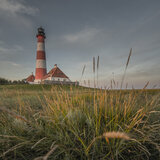
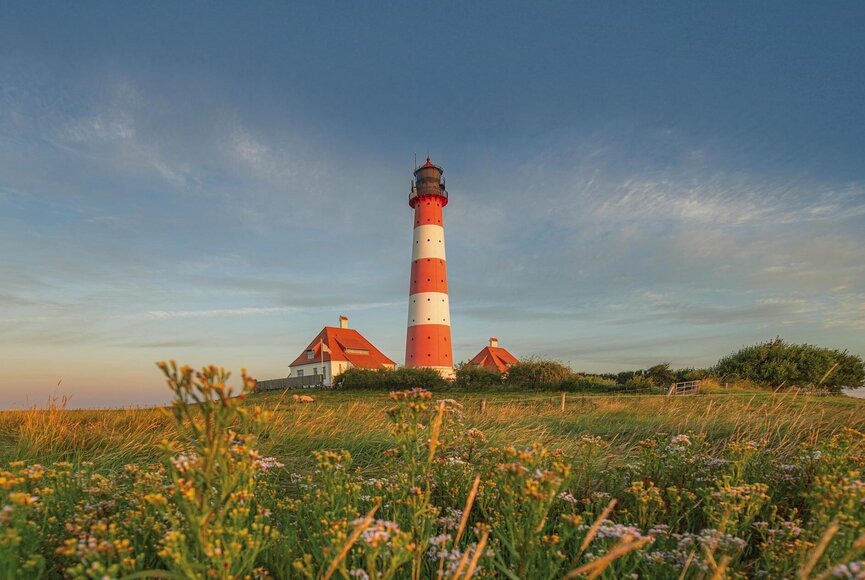
lighthouse "Westerhever"

Few sights epitomize the North Sea coast quite like the red-and-white Westerheversand Lighthouse with its two identical lighthouse keeper’s cottages. Surrounded by vast salt marshes and situated at the northwestern tip of the peninsula, the place seems as if it were frozen in time. Accessible only on foot or by bike, the lighthouse is not only a popular destination but a true piece of the North Sea and a landmark you won’t soon forget.

To the Lighthouse

You can only find this here!

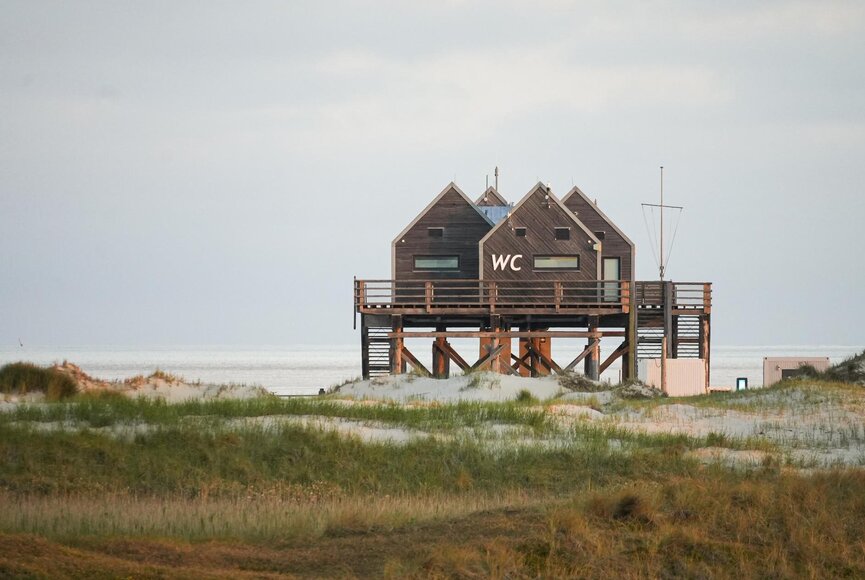
Our stilt houses

They are as much a part of St. Peter-Ording as the sand is to the beach: the seven-meter-high stilt houses that have shaped the coastal landscape for more than 100 years. Far out on the beach, these striking wooden houses stand on stilts, making the vastness of the North Sea feel even more special. Found along every stretch of beach, they have long been an unmistakable landmark of the town and are unique in this form along the German coast.

More about the stilt houses 

Illustration eines Haubargs

At Home Under One Roof

Haubarg (traditional farm housing)

They are typical of North Frisia and tell us a great deal about life in times past: the large Haubargs with their massive thatched roofs. In the past, living quarters, stables, and harvest stores were all housed under a single roof. Practical, sturdy, and perfectly adapted to life in the marshlands. Today, these historic buildings stand as unique testaments to North Frisian architectural culture and offer a glimpse into how closely housing, agriculture, and the landscape were once intertwined here. 

1,095 meters out to sea

The Pier

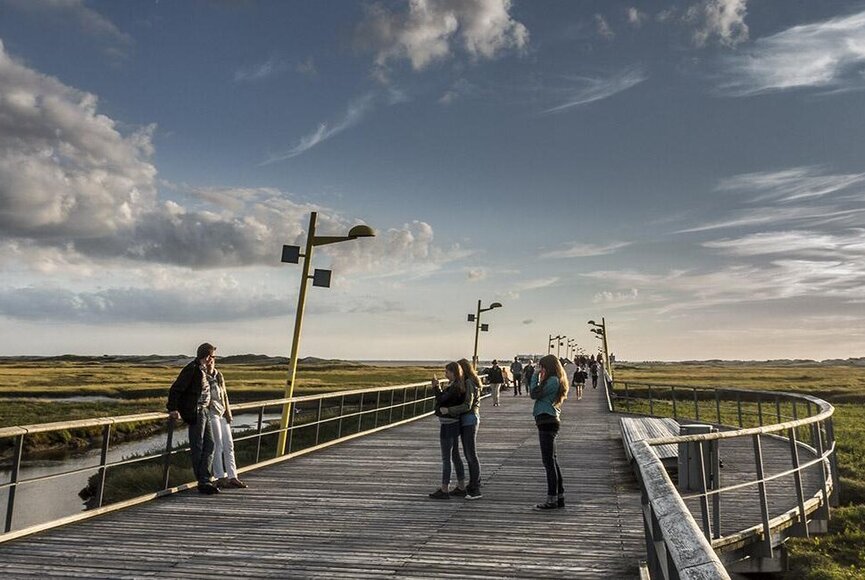
Since 1926, the pier has connected the town to the beach and leads right out into the vastness of the North Sea. Today, it is one of St. Peter-Ording’s most famous landmarks and, for many, the first stop on their way to the sea. Whether you’re taking a stroll, feeling the wind on your face, or looking back at the coast: along the 1,095 meters to the beach, you’ll experience that very special SPO feeling.

Discover the Pier 

Illustration einer Strandkrabbe

Where Nature Becomes an Experience

Facts About the Tidal Flats

The North Sea coast isn’t just there to look at—it’s teeming with life and stories. If you look closely, you’ll discover a fascinating world between the mudflats, salt marshes, and the sea. At the national park visitor centers, the Katinger Watt, and the Aquarium Multimar Wattforum, you can learn more about this unique habitat and explore it with all your senses.

Experience, Understand, and Protect Nature

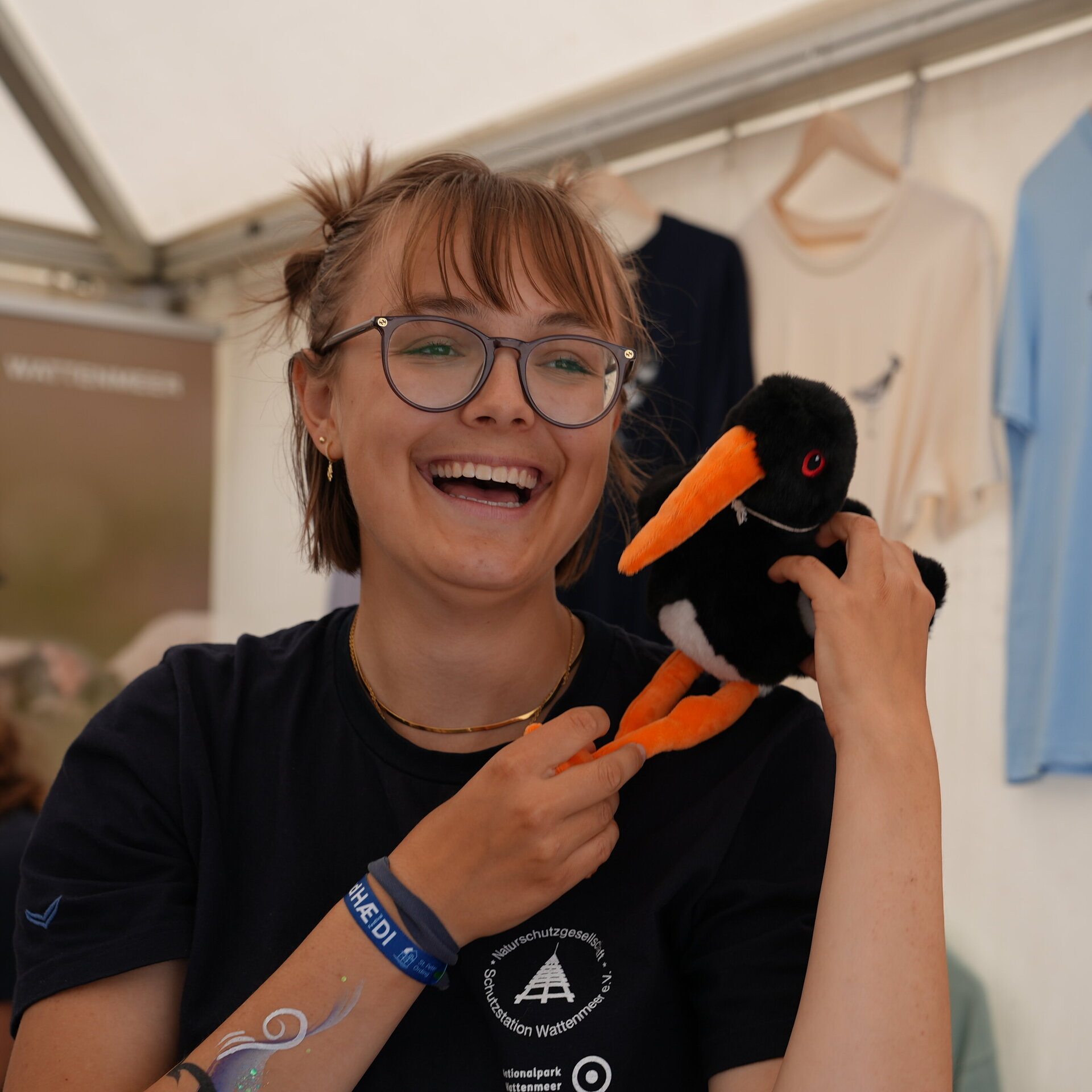
Wadden Sea Conservation Station

Since 1962, the Wadden Sea Conservation Station has been working to protect the Wadden Sea and its unique habitats. Through mudflat hikes, night hikes, and guided tours through the dunes and salt marshes, visitors can experience the fascinating natural world around St. Peter-Ording. Through exhibitions and events, the Wadden Sea Conservation Station shares knowledge about the Wadden Sea ecosystem and inspires people to discover and preserve this unique habitat.
With a network of 18 stations along the Schleswig-Holstein coast, on islands, and on the Halligen, the Wadden Sea Conservation Station reaches hundreds of thousands of people each year and brings them a step closer to the Wadden Sea.
 

More about the Wadden Sea Conservation Station 

Anyone familiar with the oystercatcher is well on their way to understanding the unique birdlife of the North Sea.
Illustration eines Seeadlers im Flug
NABU Katinger Watt Center

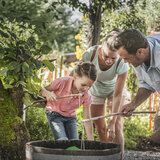
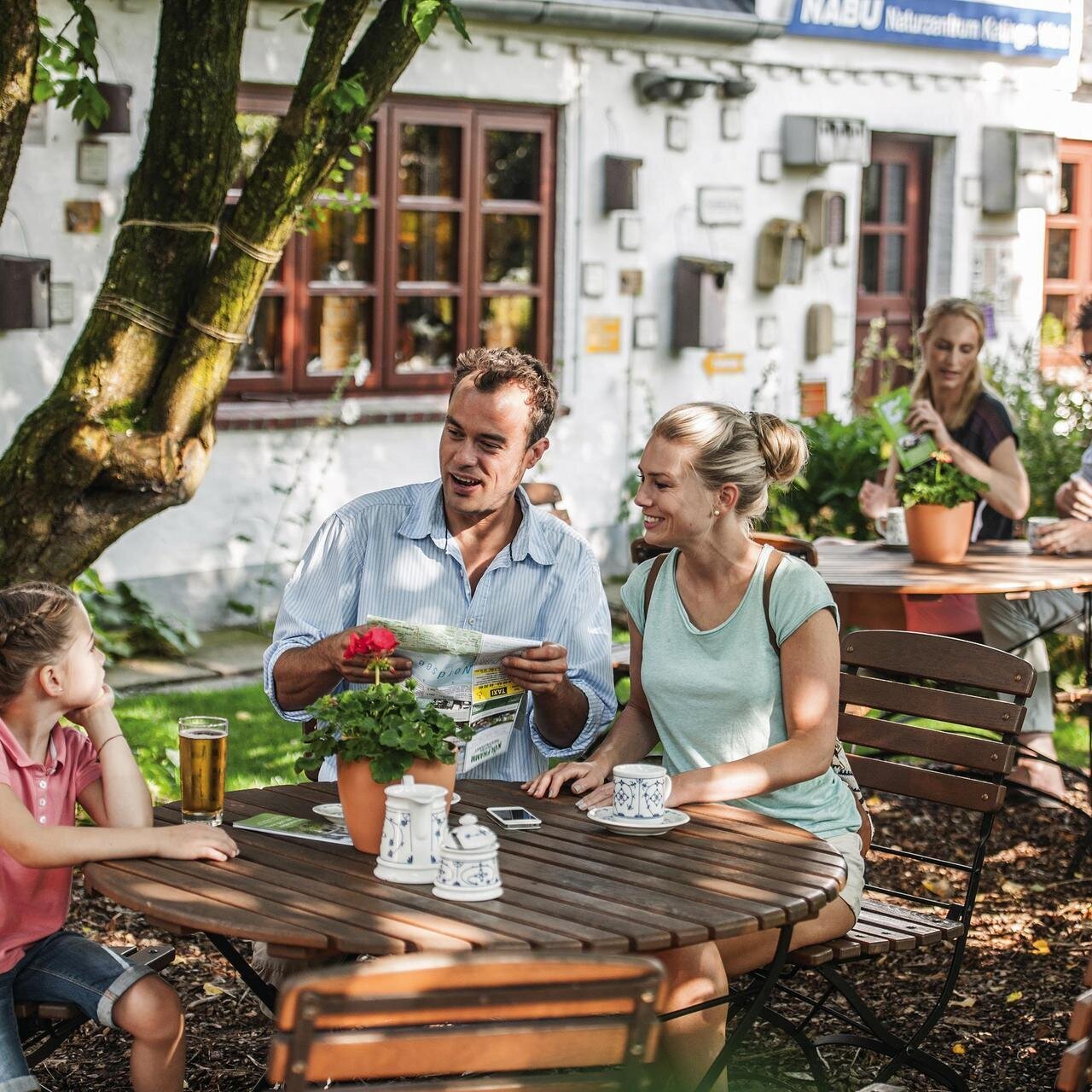
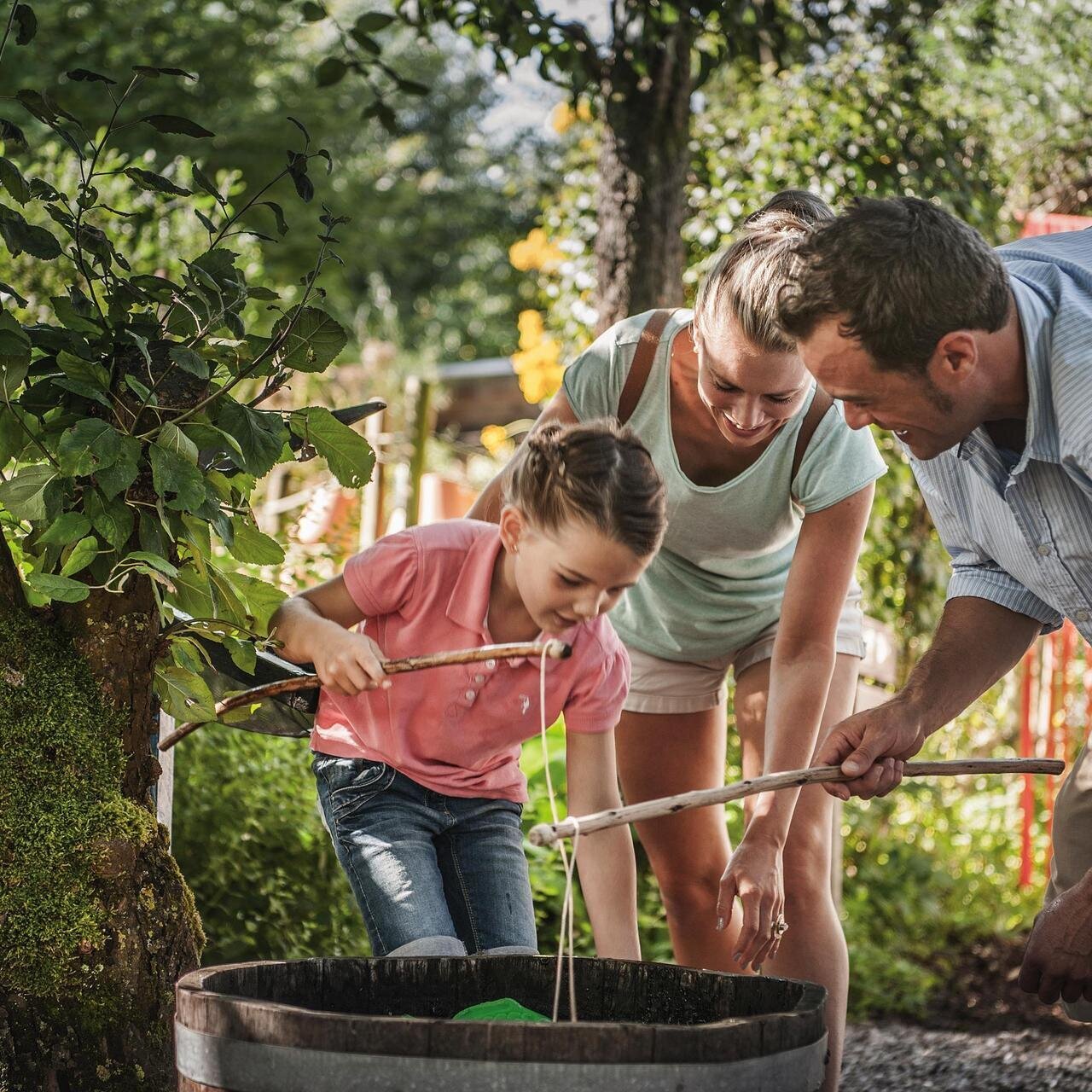
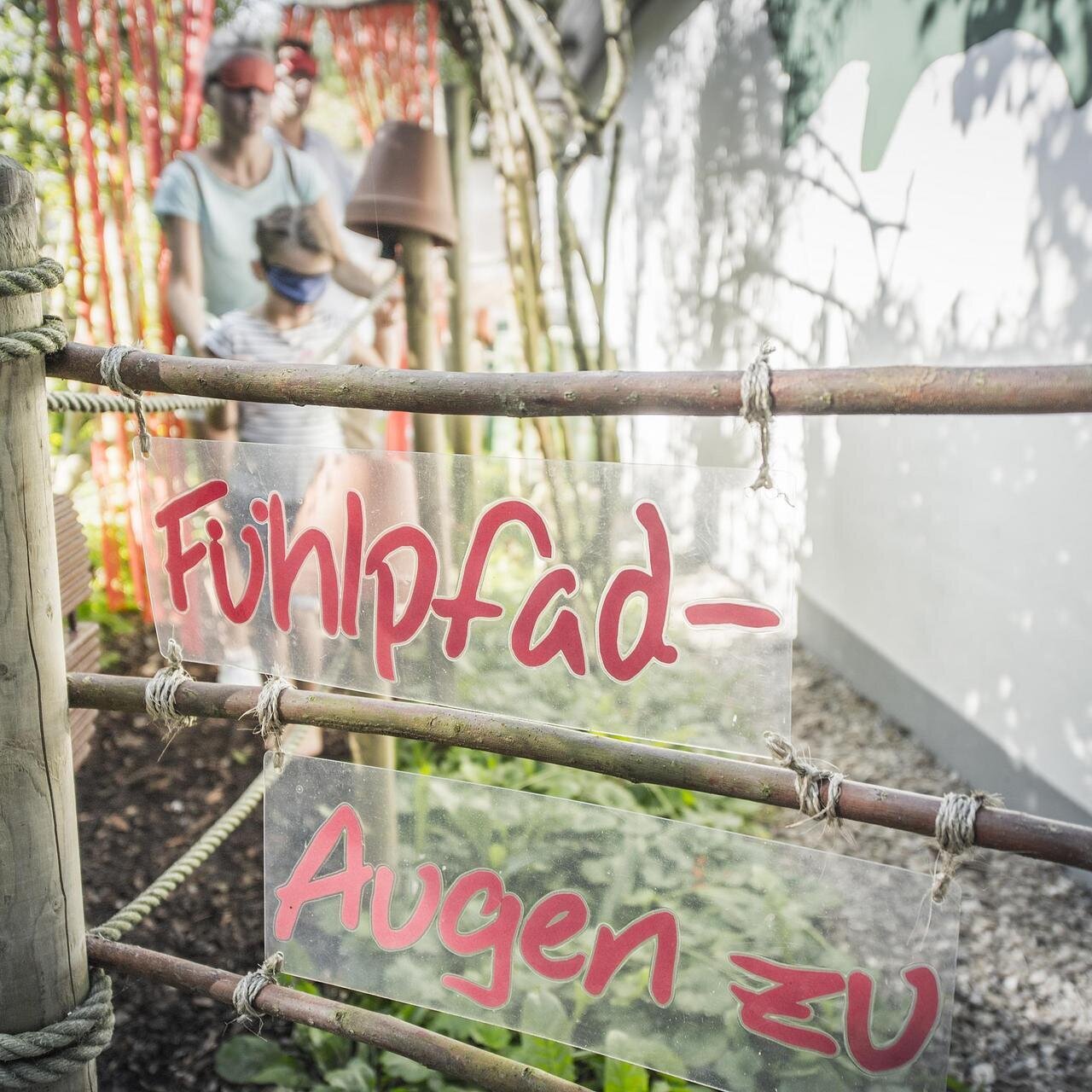
How did the Katinger Watt come to be, and what animals and plants live here? At the NABU Katinger Watt Nature Center, you can learn more about this unique natural area. In the garden surrounding the Lina-Hähle-Haus, you’ll find medicinal herbs, a sensory trail, and plenty of nature to explore. Various discovery tours into the Katinger Watt for all ages also start from here.

empty Icon
empty Icon
Rechte nur TZ
empty Icon

Where There's Even More to Discover

Nature & Adventure
Everything at a Glance

Digital Guest Card for St. Peter-Ording

In the web app, you can find your guest card for St. Peter-Ording, get information, discover activities, and book tickets. 

More information